.png)

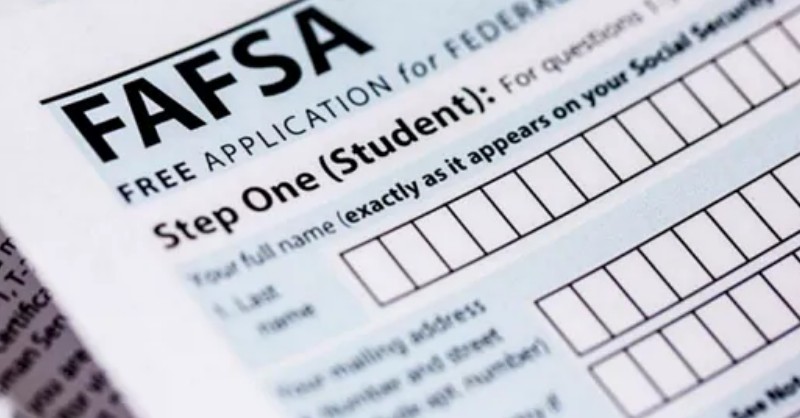
The 2027-28 FAFSA form is open right now, no beta sign-up required, ahead of its own Oct. 1 target for the second year running. It’s the form for any student starting college next fall, whether that’s a four-year school, a two-year program or a trade school, and it only applies to U.S. citizens and green card holders. If that’s your kid, file it, even if you’re confident your family won’t qualify for aid. It doesn’t hurt, and there’s a first-come, first-served element to a lot of the money attached to it, since federal resources aren’t unlimited. There’s no reason to wait on this one.
A few changes came out of what the Education Department announced in February. If you’ve got an older kid who already filed one, this version pulls in their information instead of making you start from zero. The language is simpler. And if you’re filing for more than one kid this year, you can reuse the same financial information across both forms instead of doing it twice.
Once you sit down to fill it out, don’t overshare. Just give them what they’re asking for, nothing more. You’ll need an FSA ID before either of you can sign anything electronically, both you and your student, so set that up ahead of time. Get your documents together before you start, tax information, W-2s, records of any untaxed income, so you’re not digging for paperwork mid-form. It takes about 20 to 30 minutes if you’re prepared for it. And check the URL before you type in a single number. It should say fafsa.gov. There are people out there building lookalike sites to steal this kind of information.
New York has its own set of programs on top of federal aid. EOP is for the SUNY schools, SEEK is for the CUNY schools, HEOP is for a private college in the state, and the NY AIMS Scholarship tops out at $500. That won’t cover much, but it’s a couple of textbooks. Every state runs something different, so if you’re not in New York, look up what yours offers rather than assuming it matches what your neighbor’s kid got.
These state programs can be competitive to get into, but they come with support once you’re enrolled. Nobody enjoys sitting in a financial aid office. I did it more than once in college, and it was never a good use of an afternoon.
Filing early matters outside of federal and state aid too. At Rutgers, you’re automatically entered for merit scholarships if you apply before Dec. 1, and that’s all it takes. Wake Forest does the same thing, tied to a November 15 deadline.
The federal filing deadline itself is June 30, but don’t let that date relax you. Your school and state deadlines will already be behind you by then, along with most of what they had to offer. If your situation changes after you’ve filed, a job loss, a shift in income, you can appeal your financial aid package later.
I go deeper on this, loans and appeals included, in the financial aid module of the College Application Lab. It’s part of a larger course I built to walk through the process the same way I would with a client sitting across from me. The full Lab is here if you want the rest of it.



.png)


